
How the Stock Market Works in 2026: A Beginner’s Guide to Investing

Learn how the stock market works in 2026: what stocks and indexes are, how you make money, how gains are taxed and how to start investing with a few dollars.
 Chanchala
Learn how the stock market works in 2026: what stocks and indexes are, how you make money, how gains are taxed and how to start investing with a few dollars.

1 in 3 Americans has a side hustle, earning $1,242 a month on average. See low-cost ideas, job vs. freelance vs. business, 2026 tax rules (new $2,000 1099 threshold) and a tax example.

How to invest in commodities in 2026: ETFs, futures and gold, contango risk, how much to own and how commodity and gold ETFs are taxed, with examples.

Dollar-cost averaging means investing a fixed amount on a schedule. See worked examples, how it compares with a lump sum and how to set it up in 2026.
Commercial business loans explained for 2026: loan types, current rates, SBA 7(a) caps, the 5 Cs lenders use, documents you need and a worked payment example.

401(k) vs. Roth IRA for 2026: $24,500 and $7,500 limits, Roth income phase-outs, the new Roth catch-up rule and worked examples to decide which to fund first.

FHA loans allow credit scores as low as 500 with 10% down or 580 with 3.5% down. See 2026 FHA rules, mortgage insurance costs, loan limits and how to qualify.

SAVE is ending and the new Repayment Assistance Plan (RAP) launched July 1, 2026. Here’s how PSLF, IBR and RAP forgiveness work now, who qualifies and the deadlines to know.

Paying the minimum, paying late, cash advances and maxing out your limit can cost thousands. See 12 card mistakes, what each costs and what to do instead.
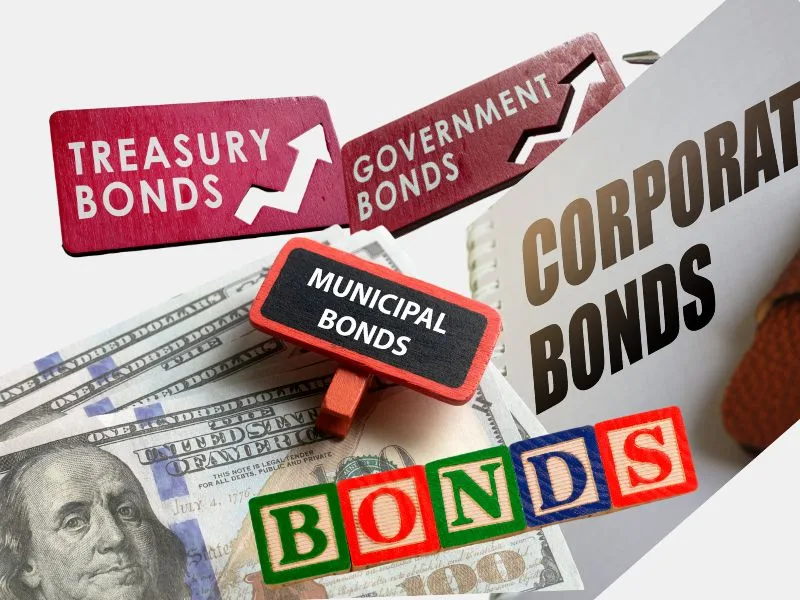
Learn how bonds work in 2026: why prices fall when rates rise, Treasuries vs. munis vs. corporates, I bonds at 5.51%, after-tax yields and how to buy.