
401(k) vs. Roth IRA (2026–2027): Limits and Which to Fund First
401(k) vs. Roth IRA with 2026 and new 2027 IRS limits ($25,500 401(k), $7,500 IRA), Roth income phase-outs and examples to decide which to fund first.
 Chanchala
136 guides published · last updated November 23, 2026 · Founder and Lead Writer
Topics she covers
How we research and check facts
Rates, fees and terms are checked on the provider’s own website or in official data (FDIC, Federal Reserve, CFPB, IRS and state agencies), and every worked example shows the math. Our editorial team includes banking professionals with hands-on experience in lending, deposits and credit appraisal.
401(k) vs. Roth IRA with 2026 and new 2027 IRS limits ($25,500 401(k), $7,500 IRA), Roth income phase-outs and examples to decide which to fund first.

FHA loans allow credit scores as low as 500 with 10% down or 580 with 3.5% down. See 2026 FHA rules, mortgage insurance costs, loan limits and how to qualify.

SAVE is ending and the new Repayment Assistance Plan (RAP) launched July 1, 2026. Here’s how PSLF, IBR and RAP forgiveness work now, who qualifies and the deadlines to know.

Paying the minimum, paying late, cash advances and maxing out your limit can cost thousands. See 12 card mistakes, what each costs and what to do instead.
Learn how bonds work in 2026: why prices fall when rates rise, Treasuries vs. munis vs. corporates, I bonds at 5.51%, after-tax yields and how to buy.

What hedge funds are, who qualifies as an accredited investor, how 2-and-20 fees cut returns (with an example) and liquid alternatives for regular investors.
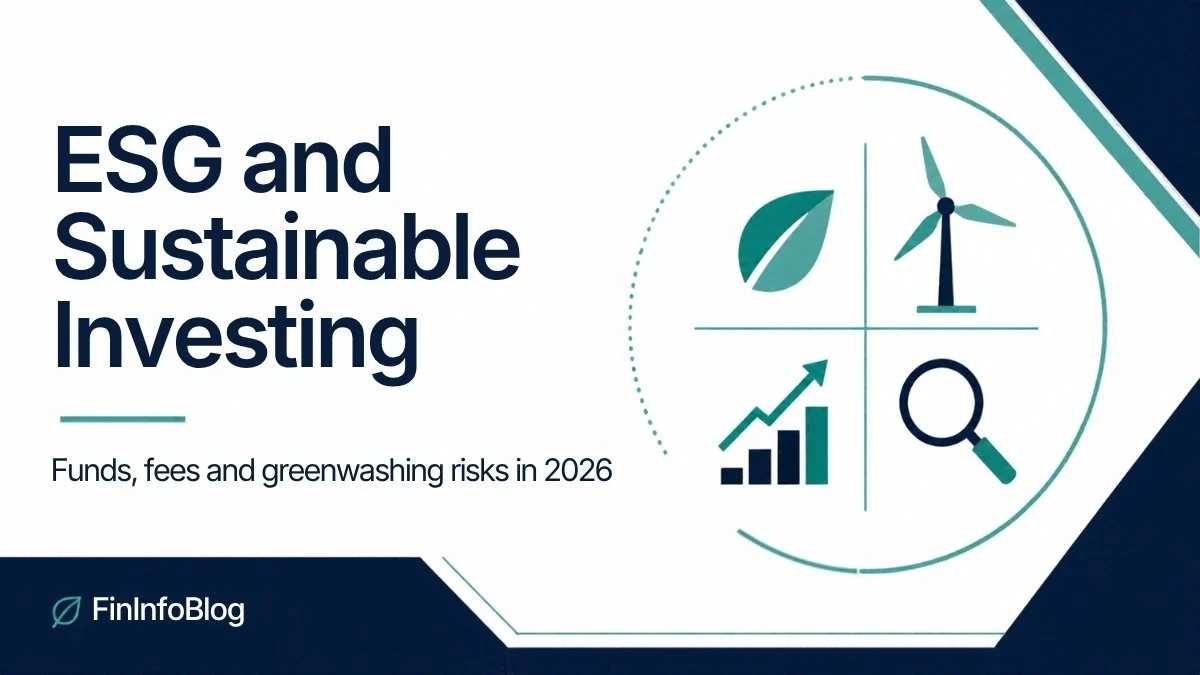
A 2026 guide to ESG and sustainable investing: fund types, fees, greenwashing risks, current SEC and Labor Department rules, and how to evaluate a fund.

A debt consolidation loan can swap ~21% card APRs for one fixed payment. See when it saves money, how fees change the math and how to apply in 2026.
Raise budgets are only about 3.5%. Learn 8 salary negotiation tips with a sample script, what to ask for beyond base pay, and how a $3,000 bump grows to $35,000 in 10 years.

Realistic passive income ideas for 2026: savings at 4%, T-bills at 4.25%, I bonds at 5.51%, dividends and rentals, plus how much you need for $1,000 a month and how it is taxed.