
What Happens If Your Bank Fails? (2026 Guide)
Your bank failed? Insured deposits up to $250,000 are safe and usually accessible the next business day. Here’s what to expect and how to protect your cash.
Checking and savings accounts, digital banks, CDs, high-yield savings, and how Federal Reserve rate changes affect your money.
Your bank failed? Insured deposits up to $250,000 are safe and usually accessible the next business day. Here’s what to expect and how to protect your cash.
FDIC insurance explained: how the $250,000 limit works by ownership category, trust and joint account rules, what isn’t covered and what happens if a bank fails.
Our complete 2026 guide to banking in America: checking vs. savings, CDs, online banks vs. credit unions, FDIC insurance, fees to avoid and a simple setup.
How to find the best free checking account in 2026: no monthly fee, no overdraft fees, free ATMs. Compare no-fee accounts and see what bank fees cost a year.
Money market account vs. savings account: compare November 2026 rates, check-writing, minimums, FDIC coverage and money market funds to pick the right home for cash.
Compare the best CD rates for November 2026 by term, from 10-month to 5-year CDs paying up to 5.00% APY, plus penalties, CD ladders and how to choose.
The Fed kept rates at 3.75%–4.00% on Oct. 28, but two governors pushed for a hike and markets now expect one in December. Here’s what to do with your savings, CDs, credit cards and loans.
The best no-penalty CDs pay up to 4.46% APY in November 2026 and let you withdraw early without a fee. Compare rates with savings accounts and regular CDs.
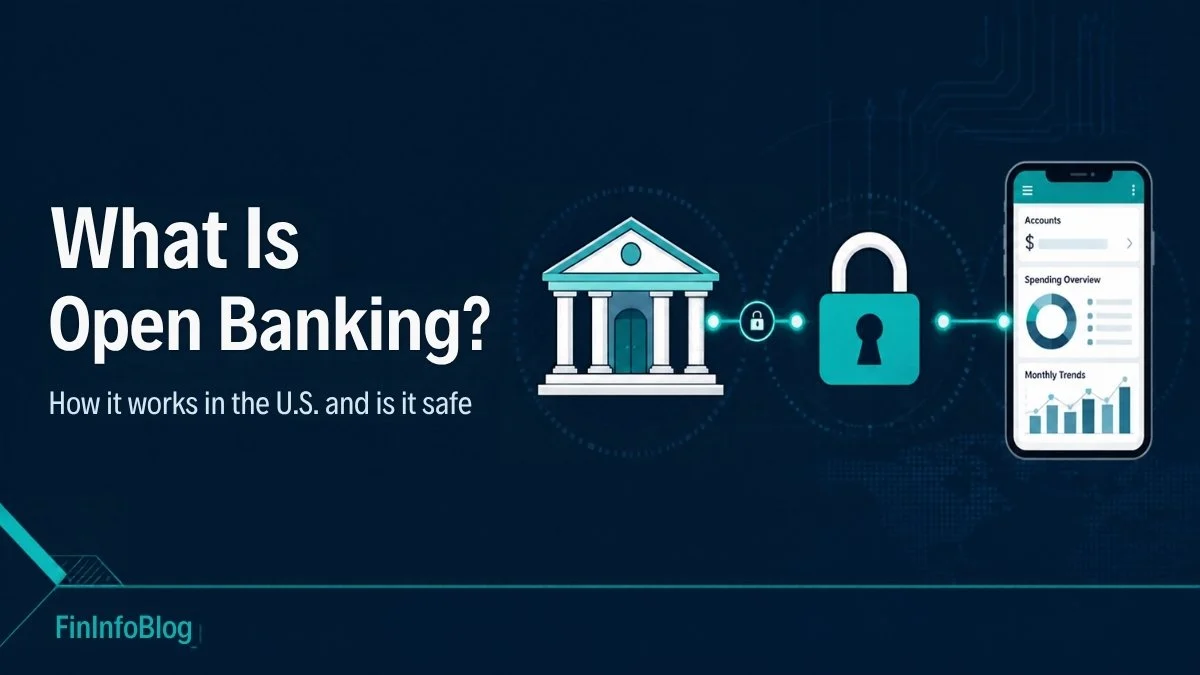
Open banking lets you share bank data with apps you choose. Learn how it works, where the CFPB’s 1033 rule stands in 2026, and how to share data safely.
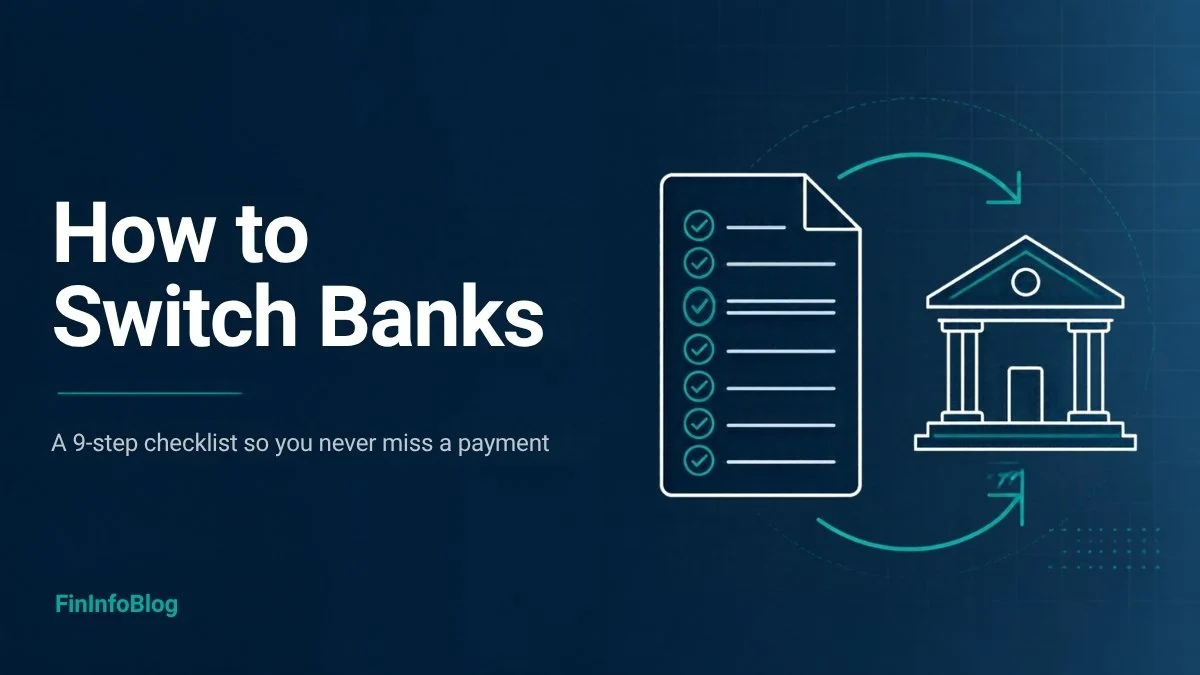
Switching banks takes about two to four weeks. Follow this 9-step checklist to move direct deposit, autopays and money without overdrafts or missed bills.